

Friends,
I wanted to share just a bit of my experience of the Eucharistic Congress held in Indianapolis.
It has been two weeks since I have returned with my sisters from the Eucharistic Congress. Since then I have found myself often on my knees before the Tabernacle in our tiny chapel here in Alexandria, VA. I was one of almost 60,000 adorers in the evening Revival Sessions at the Congress. Here I am one of six, as my sisters and I pray before Jesus in the Eucharist, the Master who teaches us, heals us, and transforms us by his life-giving love. I think I’m still contemplating how all the magnificence of the liturgies at the Congress is no more amazing than the liturgy and prayer in our little chapel or nearby parish.
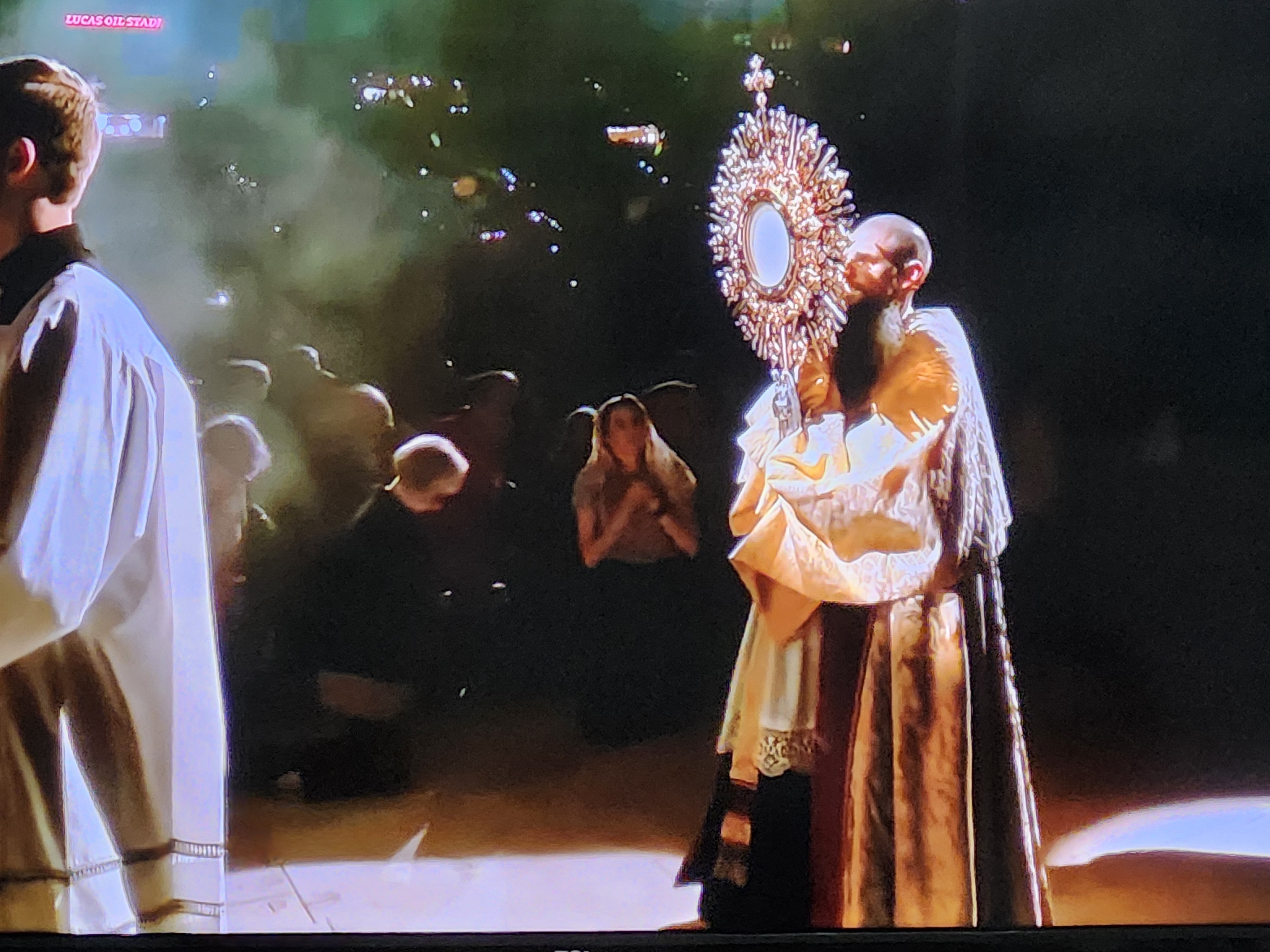
One of the speakers asked us to think of a song that speaks to the deepest moment of our relationship with Jesus. I immediately thought of Twila Paris’ “How Beautiful.”
How beautiful the hands that served
The wine and the bread and the sons of the earth
How beautiful the feet that walked
The long dusty roads and the hill to the cross
How beautiful, how beautiful, how beautiful
Is the body of Christ…
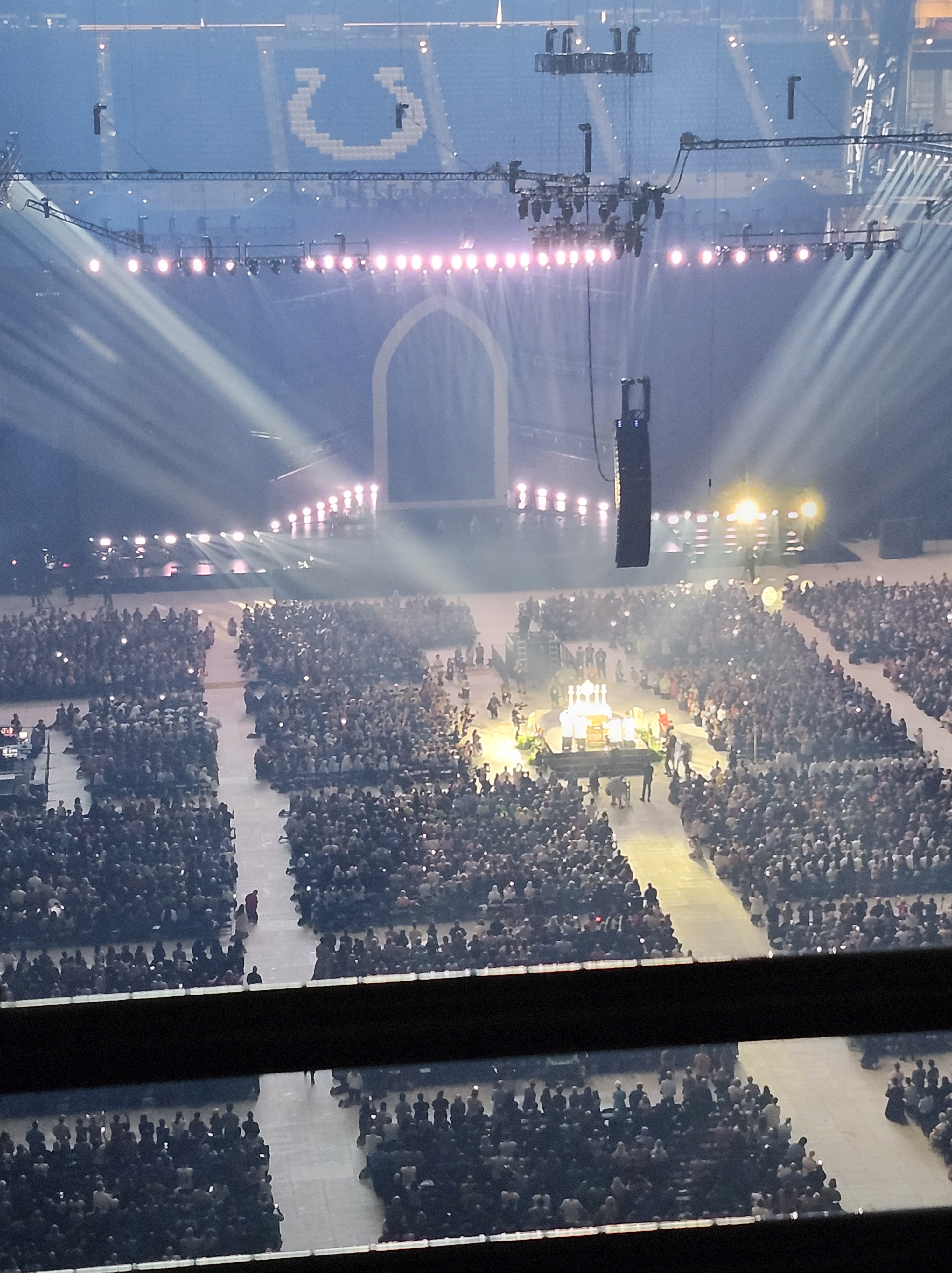
Looked around Lucas Oil Stadium filled with priests, religious, moms and dads, kids, grandparents, teens…
all truly falling in love with Jesus again…
all worshiping the Lord of Glory and the King of the Universe…
How this revival sessions and liturgies renewed my love for the Bride of Christ. Jesus is beautiful, and his bride the Church is truly beautiful…
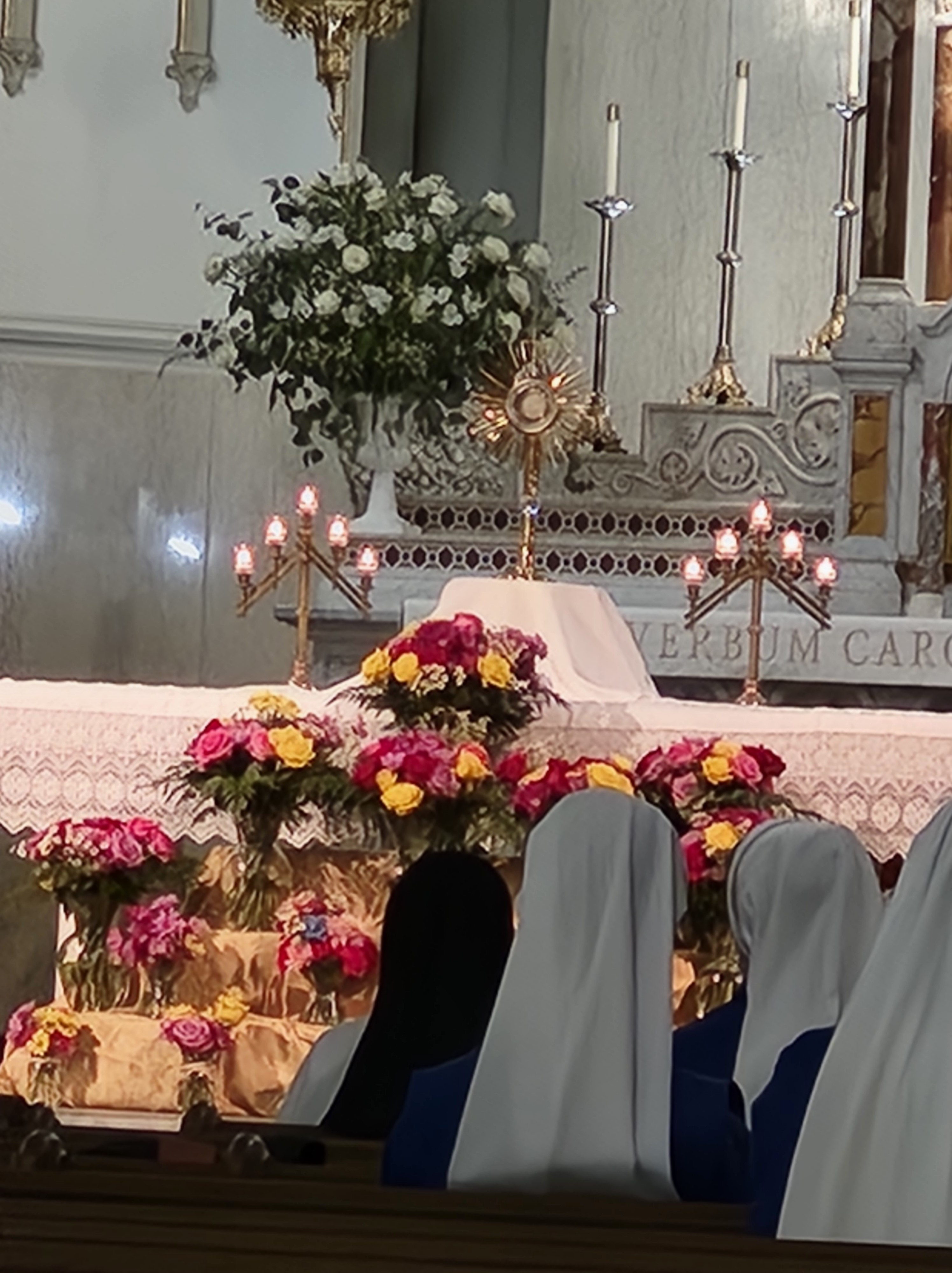
I’m discovering a new appreciation for our Eucharistic spirit. Blessed James Alberione said that our role before the tabernacle is to be:
“living lamps before Jesus in the Eucharist…
handmaids of honor of the tabernacle and of its Divine Dweller;
angels of the Eucharist who receive and who give;
souls who hunger and thirst for the bread of the Eucharist and the water of his grace;
hearts that share with their Spouse in the Eucharist his desires, his goals, his self-sacrifice for all;
the intimate confidants of Jesus in the Host, listening to every word of life and meditating on it in your heart, as did Mary.”
And in another place Alberione helped us grasp the disappointment of Jesus who so often waits for someone to be with him in empty churches: “If Jesus is continually present in the Holy Tabernacle, it means we have the duty to visit him. He awaits us. But our God has to always wait in vain for people who are busy with a thousand things and forget the One who is the Supreme Good, the One who said: ‘I will be with you.’ Jesus waits for us.”
I left renewed, refreshed, and with something very deep that had shifted in the way I now look at the world. Jesus is the Lord of history and nothing that happens really is outside of his love and his mercy.

Some beautiful things:
Our Founder Blessed James Alberione told us that only in heaven would we know the good we had done, since our apostolate mainly is about scattering the seed, broadcasting the Word as far as we can. We really don’t know who is on the other side reading, listening, watching…being touched and transformed by God’s grace.

Well, in this one instance he was wrong. People were constantly coming up to our tables in the exhibit hall or approaching us in the hallways to thank us for the way in which their experience of God’s grace through the Pauline mission had made them who they are today. I met a woman who had read My Friend magazine (I had been the managing editor of the magazine for kids many moons ago). Proudly she introduced her kids to us. A sister had known Sr Augustine while she was in Kenya and at that time still an Anglican. She wanted a selfie just to show Sr Augustine where she was now. Another sister had attended our Baby Jesus parties in Culver City, California until she was twelve and now serves the homeless as a religious sister.
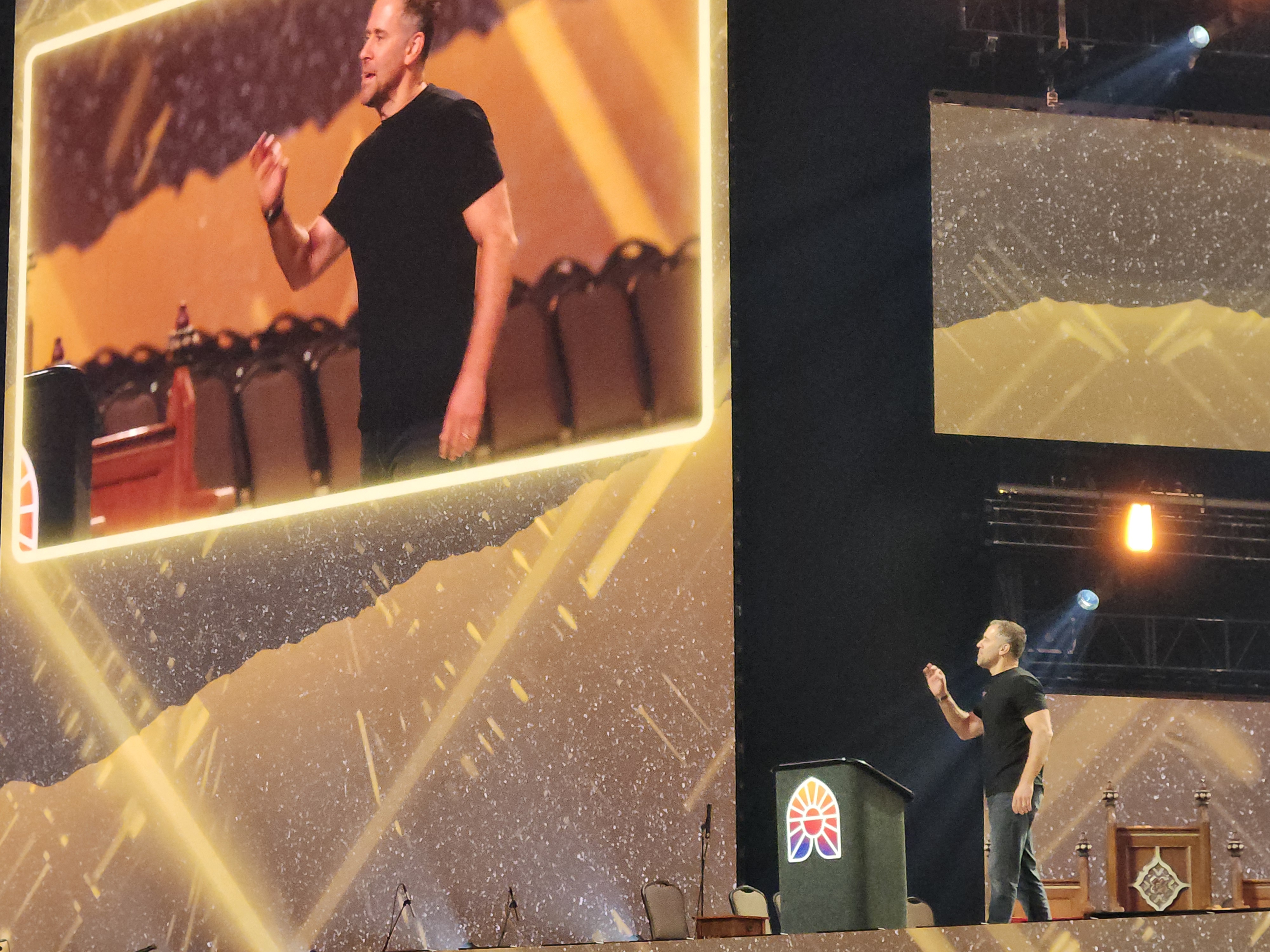
There were epiphanies all throughout the five days of the Encounter, moments when God was opening up something deeper in me. For example, I was struck by Chris Stefanick who said about sharing the Gospel of Jesus Christ: “If God opens a door, you open your mouth, that’s it, you’ll figure it out as you start talking.” They were words I needed to hear, and God gave me an opportunity on the plane heading home to practice by sharing Jesus with a seven-year-old girl. (I’m a writer and not comfortable with thinking and speaking on me feet.) But there were other “epiphanies,” as I call them: how God is changing my prayer and my selfishness. By holding on to these experiences in prayer, the graces of the Congress are being planted deeply within.
At the Congress we were immersed in what was most real and most true. As I watched the almost 2000 priests, deacons, and bishops process into the Stadium at the opening of the Concluding Mass, a full 40 minutes, I was deeply moved by goodness and hope, and I prayed for each of them and for the whole church in the US. Sometimes I get weighed down by what is broken and difficult and tragic in our church community, so much so that I can forget what is true, and good, and beautiful. We can hold on to what Bishop Cozzens prayed in the first evening’s Revival Session: “We know that we are broken, and our world is broken, but we know that you have conquered sin and death and have given us yourself as a foretaste of heaven. We know, God, that you are able to accomplish far more than we ask or imagine by the power of the Eucharist.” As you reinsert yourself into “real” life, keep the eyes of your heart on Jesus who “sacrificed himself in order to give us life, who loved us to the end.”
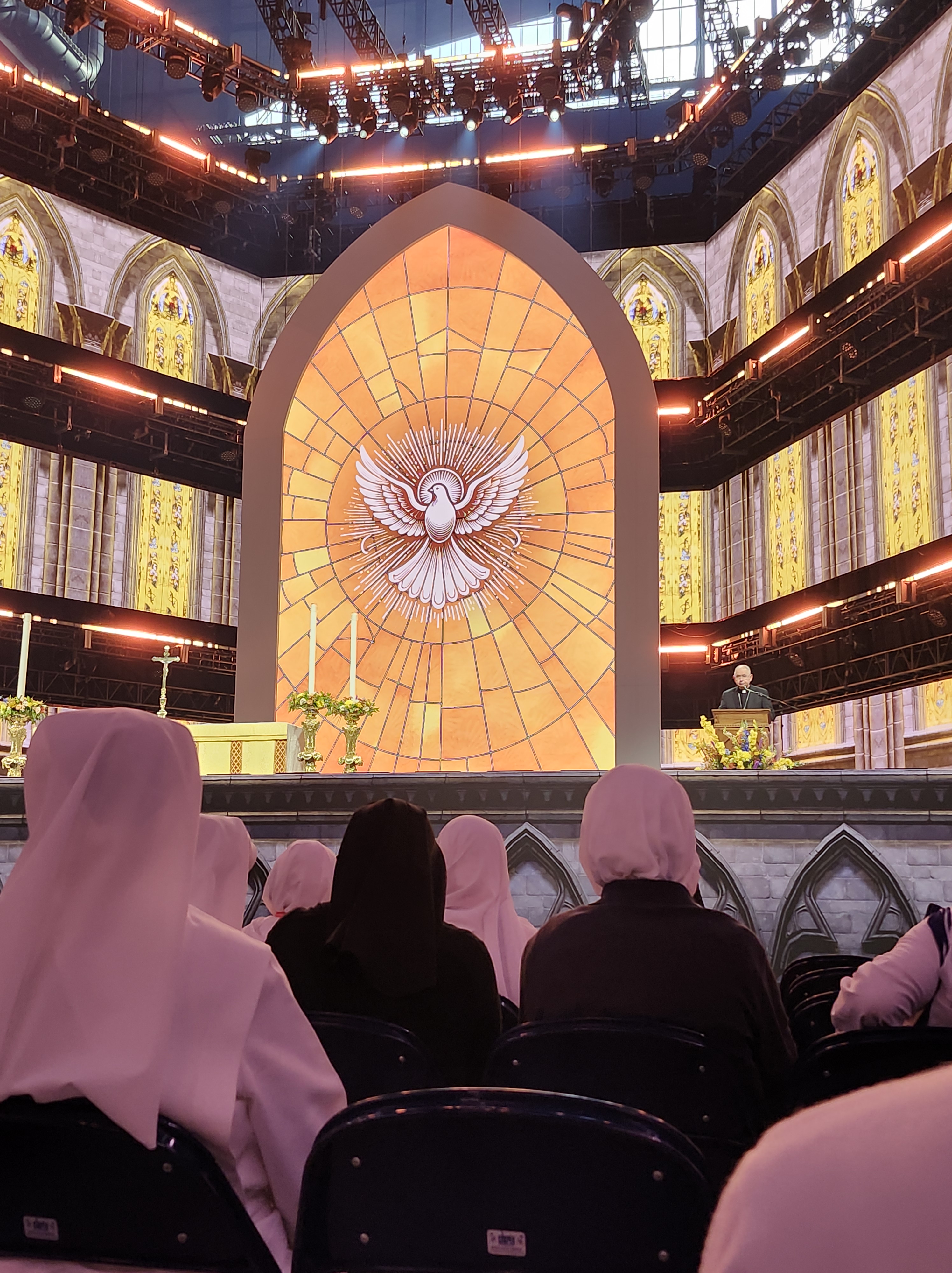
As we were sent out from the Congress in the final liturgy, we were told to GO! GO! GO! “Go” is two-thirds of God’s name. We were sent like the first Christians just to tell our story, and to walk with someone back to Jesus.
There is someone in your life right now whom Jesus longs to call to himself. He wants to spark a relationship with them and bless them with his sacraments. In this Year of Mission, Catholics across the U.S. are saying “yes” to a special form of heart-to-heart accompaniment called the Walk With One initiative. You too can share in this by telling your story to someone who still needs to hear Jesus’ love for them. Take some time to download and understand the simple process for Spirit-led accompaniment.
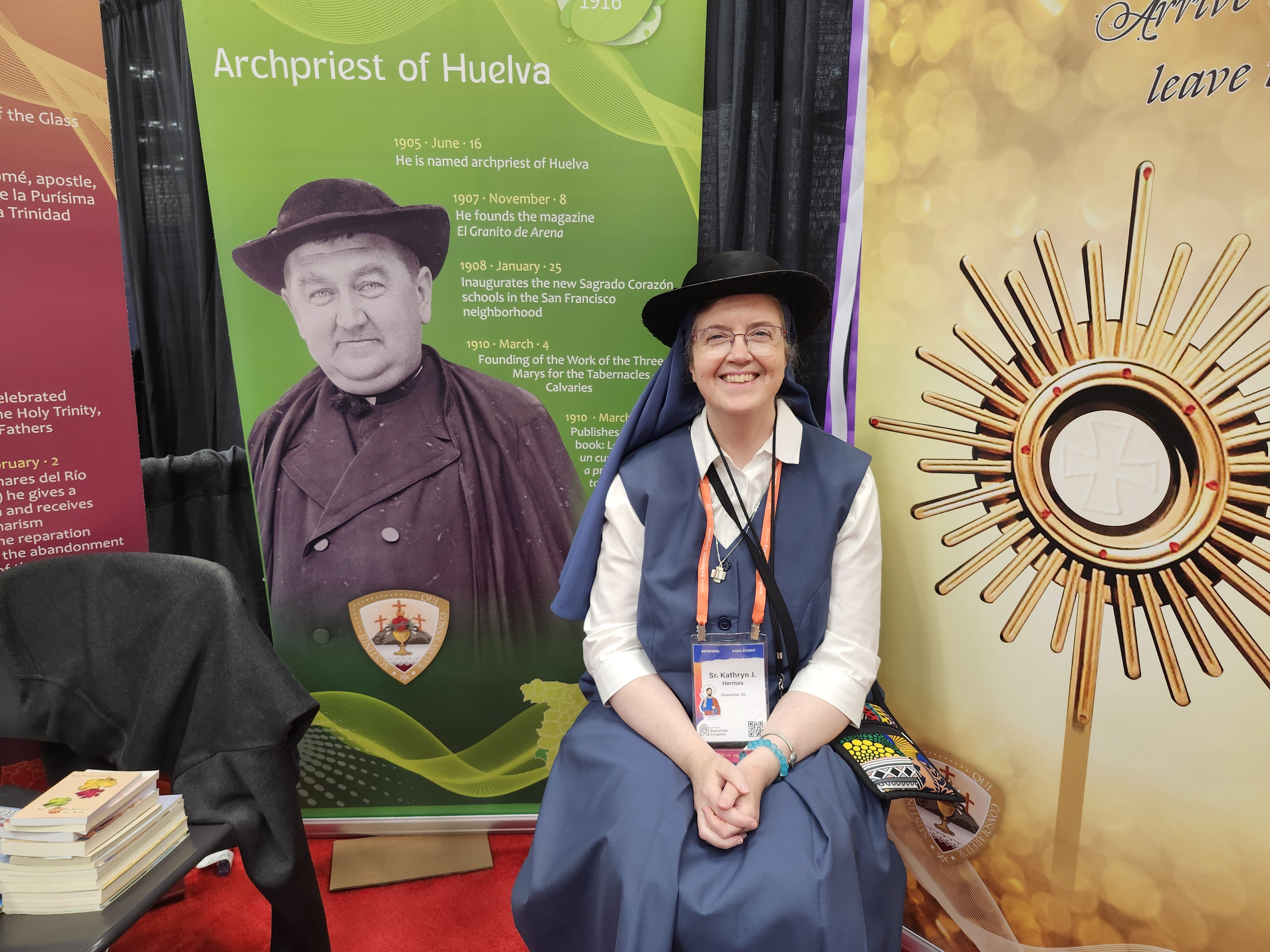
These first days and weeks after the Congress are the beginning of the rest of my life and yours as a disciple of Jesus Christ. For all of us, something profound has shifted whether we were there or praying from afar, whether we are aware of the transformation that Jesus is bringing about or waiting to see what will emerge in our life. Now is the time to intentionally listen to how God will now be loving you and sending you to others, for the life of the world.


 Touching the Sunrise